Float Therapy for the Overthinking Mind
Sensory deprivation removes all external input so your brain can stop managing it.
Exhausted but can’t sleep. Your brain is still running the same conversation from two days ago, looping through tomorrow’s obligations, doing nothing useful with any of it.
This isn’t a discipline problem. Your nervous system has been processing input all day and doesn’t have a signal to stop.
Your Brain Has Never Had a Break Like This
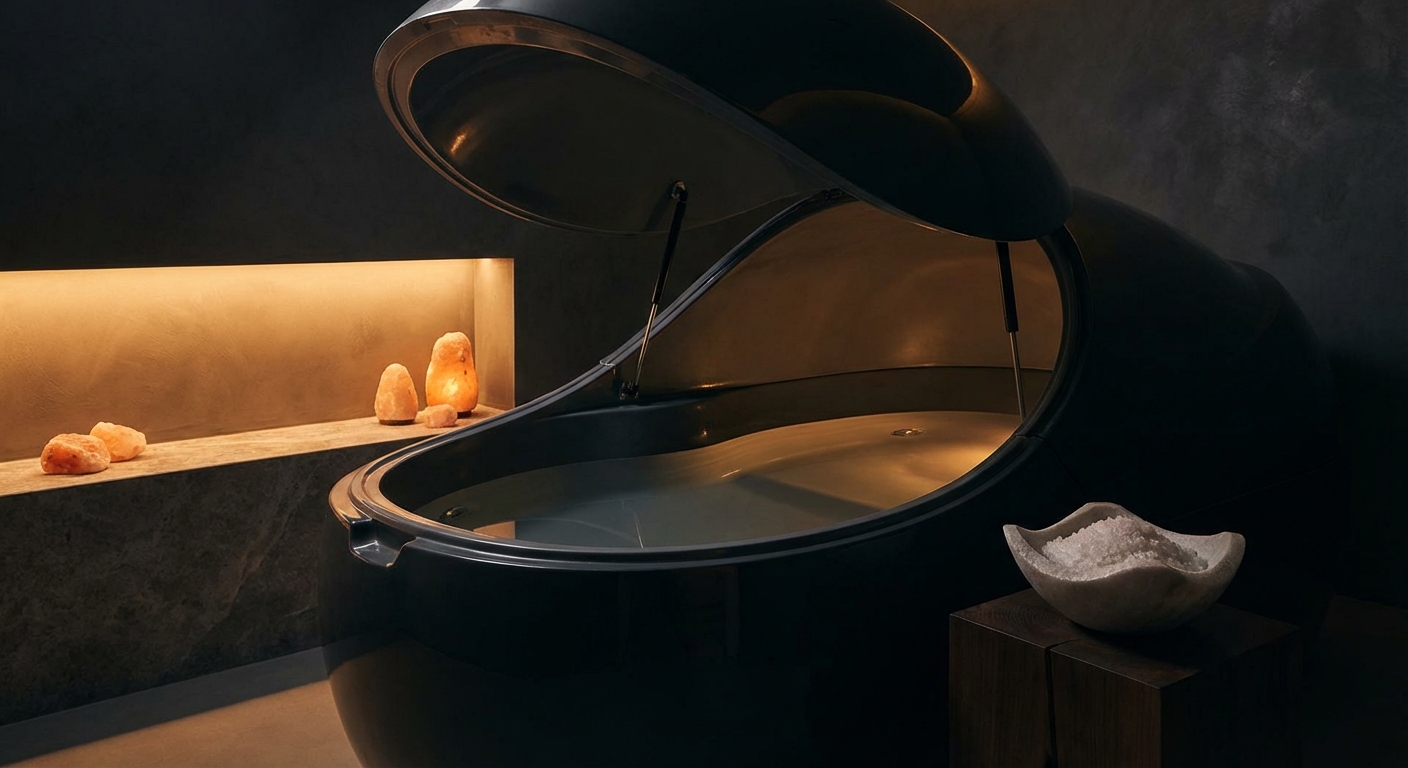
A float tank removes everything at once: light, sound, gravity. The water is body temperature and loaded with Epsom salt, so you float without any effort to maintain position. There’s nothing to adjust to and nothing being asked of you.
Without external input to process, your brain shifts gears. The default mode network, which runs your internal monologue and replays old conversations, goes quiet. Cortisol drops. Dopamine rises. This shows up on brain imaging, not just in how floaters describe the experience.
Most people notice the mental quiet somewhere around the 30-minute mark. Thoughts don’t disappear, but they stop feeling urgent.
Regular floaters report better sleep, reduced anxiety, and mental clarity that carries into the next few days.
The First Session Is the Hardest
Your mind may race for the first 20 minutes. You’re not used to zero input, and your nervous system doesn’t trust it yet.
By the second or third float, you drop in faster. Your brain has learned the environment is safe and nothing is being asked of it.
Give it three sessions before deciding if it works for you. The first one is mostly adjustment.
Who Uses It
Floaters aren’t a specific personality type. The people who get the most out of it tend to be:
- parents who haven’t had thirty minutes of quiet in years
- people whose anxiety spikes at night
- anyone who feels creatively stuck
- people carrying chronic stress that sleep isn’t touching
You don’t need meditation experience or any particular ability to relax.
What to Expect
Arrive 15 minutes early for your first session. We’ll walk you through the room and controls. The tank has lighting and music options if you want them. Most people turn them off by session three, but there’s no obligation.
We supply towels, earplugs, and everything else. You can shower before and after your session on site.
One practical note: skip shaving that day. Fresh razor burn and salt water don’t mix.
We're a Tampa Bay family passionate about recovery and wellness. We built Rest Recovery to share the modalities that have transformed our own health.
Get More Wellness Tips
Subscribe to get the latest recovery insights delivered to your inbox.
Continue Reading
Cryotherapy vs Cold Plunge for Recovery
Cryotherapy vs cold plunge: which actually helps you recover? Here's how whole-body cryo and cold water immersion differ on cold exposure, cost, and results, and which one is worth your time in Tampa.
What a Recovery Membership Actually Includes
Thinking about a recovery membership in Tampa? Here's exactly what's included, how unlimited access compares to paying per session, and how to tell which plan fits how you actually recover.
Hyperbaric Oxygen for Brain Health and Longevity
Beyond the athlete use case-how hyperbaric oxygen therapy supports neuroplasticity, cognitive function, post-concussion recovery, and the long game of aging well.