Recovering from Travel: Our Go-To Protocol
How to bounce back from travel fatigue using targeted recovery modalities-what works, in what order, and why.
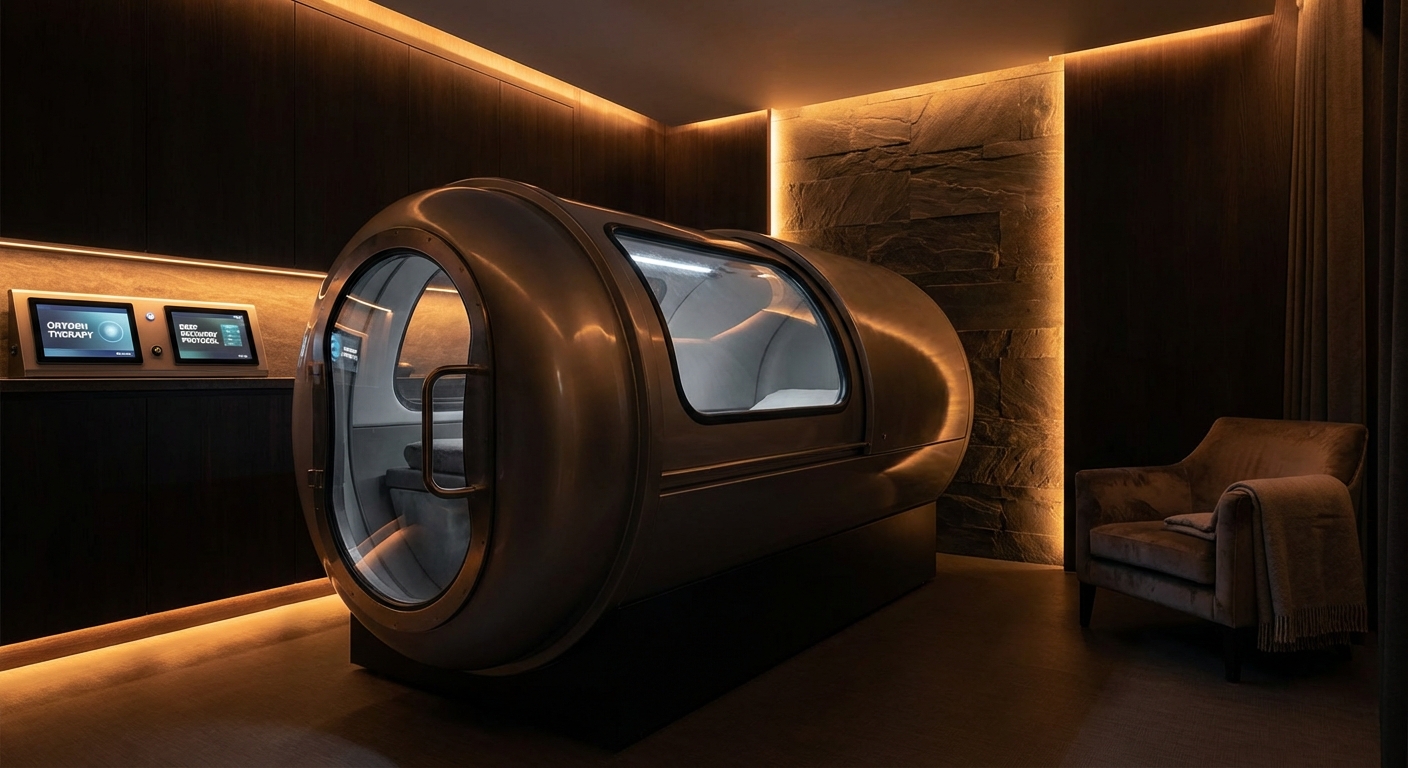
Travel takes more out of you than you’d expect. The fatigue after a long flight isn’t just tiredness. It’s dehydration, circadian disruption, inflammation from sitting, and cellular stress from altitude and radiation exposure.
We’ve dialed in a recovery protocol for ourselves and our members after any significant travel. Here’s the sequence, and why the order matters.
What Travel Does to Your Body
Dehydration. Airplane cabins run 10-20% humidity. The Sahara Desert averages 25%. Your body loses water faster than you drink it, and most people don’t drink enough to begin with.
Circadian disruption. Light exposure, meal timing, and activity set your internal clock. Travel scrambles all three. Even a 2-3 hour time zone shift takes days to resolve.
Inflammation. Hours in a cramped seat causes fluid to pool in your legs and drives inflammation through your body. Cabin pressure changes stress your joints and sinuses.
Cellular stress. Cruising altitude exposes you to elevated cosmic radiation. Not enough for immediate harm, but enough to create oxidative stress at the cellular level.
The Protocol
The sequence matters. Each step prepares your body for the next.
Step 1: Compression (20-30 minutes)
Start here. After hours of sitting, your legs hold pooled fluid and metabolic waste. Compression therapy moves this back into circulation. Heavy, swollen legs become light. Blood flow improves throughout your body.
Step 2: Hyperbaric Oxygen (60 minutes)
This is the core of travel recovery. Inside the chamber, you breathe pure oxygen at increased atmospheric pressure, forcing oxygen into your plasma, tissues, and cells at levels normal air can’t reach.
For travel recovery, it offsets the hypoxic stress of high-altitude flight, reduces inflammation, and supports cellular repair. Improved cellular energy production also helps reset your circadian rhythm.
Step 3: Red Light Therapy (15-20 minutes)
Red and near-infrared light penetrate your skin and stimulate mitochondrial function. Your mitochondria produce ATP, the energy your cells use for repair. After travel stress, they need more of it. Red light also counters the skin dehydration from cabin air.
Optional: Cold Plunge (2-3 minutes)
If you’re foggy or dragging, a brief cold plunge at the end clears your head. Cold triggers norepinephrine release, sharpening alertness and improving mood.
Skip it if you’re exhausted and heading straight to bed. The stimulation can interfere with sleep.
Timing
Come in the same day if you can. Your body is already working to repair itself. Give it the inputs it needs.
If you land late, sleep first and come in the next morning. Pushing through exhaustion to fit a session in isn’t worth it.
For international travel or trips over a week, consider a second session two to three days after the first. Your body is still adjusting.
Shorter Options
If you don’t have time for the full protocol:
Hyperbaric only. If you do one thing, do this. It addresses the most significant travel stressors directly.
Compression + cold plunge. About 30 minutes. Targets inflammation and mental fog.
Before You Travel
In the 24 hours before a long trip: drink more water than you think you need, get a sauna session to improve circulation, and sleep as much as possible. You’ll land in better shape and recover faster on the other end.
If you travel for work, come in after your next trip and see how you feel.
We're a Tampa Bay family passionate about recovery and wellness. We built Rest Recovery to share the modalities that have transformed our own health.
Get More Wellness Tips
Subscribe to get the latest recovery insights delivered to your inbox.
Continue Reading
Cryotherapy vs Cold Plunge for Recovery
Cryotherapy vs cold plunge: which actually helps you recover? Here's how whole-body cryo and cold water immersion differ on cold exposure, cost, and results, and which one is worth your time in Tampa.
What a Recovery Membership Actually Includes
Thinking about a recovery membership in Tampa? Here's exactly what's included, how unlimited access compares to paying per session, and how to tell which plan fits how you actually recover.
What a Float Tank Really Does: A Guide to Sensory Deprivation
Floating isn't a fancy bath. Removing every sensory input puts your brain in a state it almost never reaches-here's what's happening, why it's so hard the first time, and what to expect by session three.