Managing Chronic Pain Without Pills: Our Approach
A thoughtful look at how recovery modalities can support chronic pain management - not as a cure, but as part of a comprehensive approach.
Chronic pain changes how your nervous system processes signals. After an injury heals, the pain response stays stuck on. Signals fire without active tissue damage. Treatments aimed at the original injury site often miss this, which is why so many people exhaust their options and still hurt.
Members come to us after years of managing pain. Some find meaningful relief. Not immediately, and not across the board, but enough that it changes their daily lives. Here’s what we offer and how we think about using it.
Understanding What’s Happening
When you stub your toe, pain signals alert your brain to damage. The damage heals, the signals stop. Chronic pain breaks that loop. The nervous system itself changes, and pain fires on its own schedule regardless of what’s happening in your tissue.
Effective chronic pain management has to work on multiple levels at once: the remaining tissue inflammation, the dysregulated nervous system, the stress patterns that amplify both, and sleep quality, which poor sleep makes measurably worse. No single treatment covers all of these, which is why the combination matters.
Four Modalities We Use
PEMF
Pulsed Electromagnetic Field therapy works at the cellular level. The electromagnetic pulses reduce inflammation, support tissue repair, and improve circulation to damaged areas. For chronic back pain, fibromyalgia, and arthritis, PEMF has the strongest clinical evidence among our offerings.
Sessions are passive. You lie on a mat, fully clothed, and feel nothing during treatment. Most members using PEMF 2-3 times weekly notice cumulative improvement over 2-4 weeks, with changes showing up as reduced pain and better mobility between sessions.
Float Therapy
The float tank puts you in zero gravity. No pressure on joints, no compression on your spine. The sensory reduction gives your nervous system a break from processing pain signals, often the first real break it’s had in a long time.
Chronic pain locks most people in a low-level fight-or-flight state. Floating pushes hard in the opposite direction: deep parasympathetic activation, where recovery happens. Members report hours or days of pain relief afterward, not because the underlying condition resolved, but because the nervous system got to reset.
Infrared Sauna
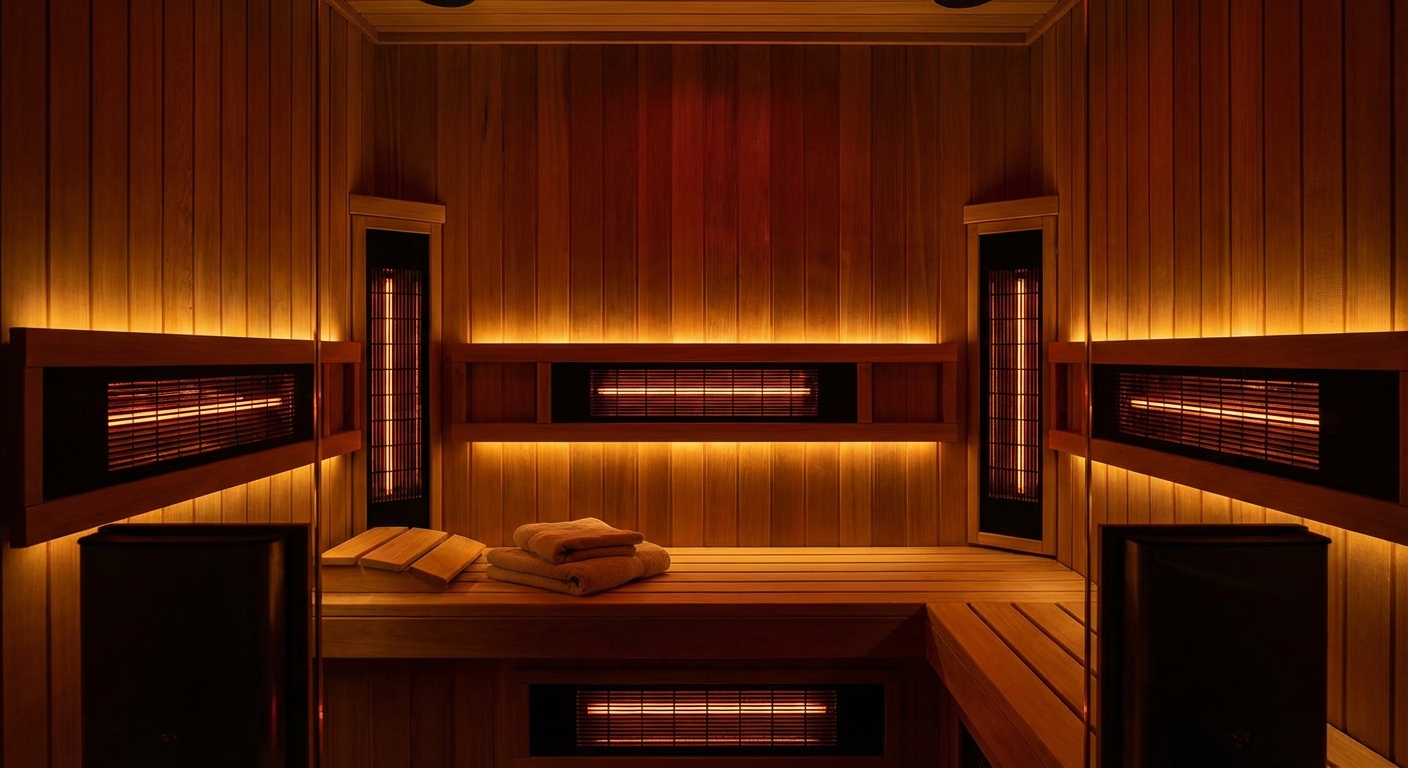
Infrared heat penetrates 2-3 inches into tissue, far deeper than heating pads or hot baths. That depth relaxes muscle tension, increases blood flow to damaged areas, triggers cellular repair proteins, and releases endorphins. For muscle-related pain and tension patterns, infrared often provides relief that outlasts the session by several hours.
Red Light Therapy
Red and near-infrared light support mitochondrial function in tissue, which translates to better cellular energy for repair and reduced inflammation at the tissue level. It works well alongside the other three modalities, especially PEMF and float.
How We Start
Pain is individual. We don’t hand you a protocol on day one.
Tell us where you hurt, how long, and what you’ve tried. We start with one modality, usually PEMF for tissue-based pain or floating for nervous-system patterns, and track what shifts. After 2-3 weeks the patterns become clear: what helps, how long relief lasts, what to add next. PEMF plus infrared. Float plus red light. Combinations based on what’s actually working for you.
Most chronic pain members come 2-3 times weekly. Some reduce frequency as they improve. We work alongside your medical care, not instead of it. Many members combine sessions here with physical therapy or medication management.
First Visit
Your first session may bring noticeable relief, or nothing different. Both are normal. Give it 2-3 weeks before drawing conclusions. The cumulative effect matters more than any single session.
If you’re skeptical after trying a lot of things, that’s reasonable. Come in once and see what it feels like.
We're a Tampa Bay family passionate about recovery and wellness. We built Rest Recovery to share the modalities that have transformed our own health.
Get More Wellness Tips
Subscribe to get the latest recovery insights delivered to your inbox.
Continue Reading
Cryotherapy vs Cold Plunge for Recovery
Cryotherapy vs cold plunge: which actually helps you recover? Here's how whole-body cryo and cold water immersion differ on cold exposure, cost, and results, and which one is worth your time in Tampa.
Hyperbaric Oxygen for Brain Health and Longevity
Beyond the athlete use case-how hyperbaric oxygen therapy supports neuroplasticity, cognitive function, post-concussion recovery, and the long game of aging well.
Red Light Therapy: Beyond the Basics
Skin, athletic recovery, joints, sleep, and circadian rhythm-where red light therapy actually moves the needle and how to get the most out of every session.