Recovery for CrossFit: What Actually Helps
A practical guide to recovery modalities for CrossFit athletes-what works, when to use it, and how to fit it into your training schedule.
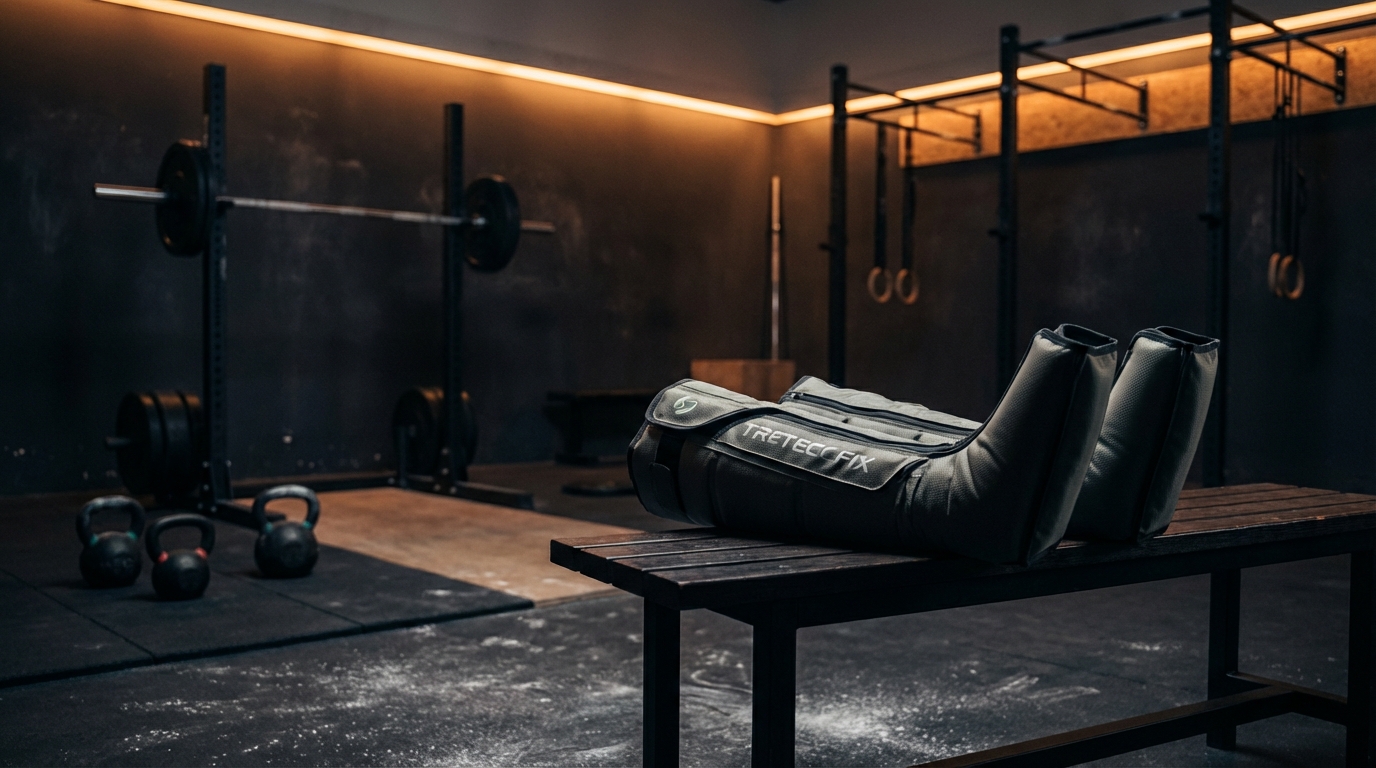
CrossFit beats you up in a specific way. High intensity, high volume, constantly varied movements. Your body never quite adapts because the stimulus keeps changing. That’s the point, and it’s also why recovery matters more here than in most sports.
Why Accumulated Load Breaks CrossFit Athletes
A typical workout combines weightlifting, gymnastics, and metabolic conditioning. In a single hour you might deadlift heavy, do fifty pull-ups, and run 800 meters. Your muscles, joints, and nervous system all take a hit, and you’re back in the gym tomorrow.
Without enough recovery, two things stack up. Inflammation builds session after session instead of clearing overnight. And high-intensity work taxes your central nervous system in ways rest days don’t fully address, so performance drops even when your muscles feel fine.
Cold Plunge After Metcons
After a conditioning-heavy workout, your body is inflamed and your heart rate is elevated. A 2-3 minute cold plunge brings inflammation down fast and shifts your nervous system toward rest.
One caveat: if you’re training for strength gains, wait at least 4 hours after lifting before cold exposure. Some inflammation is part of the adaptation signal. After a pure metcon or competition day, get cold soon.
Compression for Leg Recovery
CrossFit destroys your legs. Squats, lunges, box jumps, running, rowing: it compounds. Compression therapy moves metabolic waste out of your muscles faster than passive rest.
Athletes come in the morning after a heavy leg day, do 30 minutes of compression, and walk out able to train again. It accelerates what your lymphatic system does on its own.
Infrared Sauna for Mobility
Tight muscles limit your positions. If you can’t hit a deep squat or overhead position, you leave performance on the table and raise your injury risk.
Infrared sauna penetrates deeper than surface heat, reaching the muscles and joints that a hot shower doesn’t touch. Twenty minutes before mobility work makes a measurable difference in range of motion.
Float Therapy for Nervous System Recovery
CrossFit athletes are often chronically overstimulated: loud music, competitive environment, high adrenaline for an hour or more. Your nervous system needs quiet.
An hour in the float tank gives your brain and body complete rest. No gravity, no light, no sound. Athletes report sleeping better, performing more consistently, and feeling less reactive day-to-day with regular float sessions.
A Recovery Schedule That Fits 5-6 Day Training
After competition or high-intensity metcons: Cold plunge, 2-3 minutes
Morning after heavy lifting: Compression therapy, 20-30 minutes
Once per week: Infrared sauna plus cold plunge contrast (the full Reset Circuit if you have time)
Every week or two: Float therapy, 60-90 minutes
Adjust for training volume. More volume means more recovery.
Rest Days
Rest days are when recovery modalities have the most impact. Your body isn’t being broken down; it’s rebuilding. A solid rest day: float therapy or sauna in the morning, compression in the afternoon, early bedtime.
Matching Recovery to Training Volume
CrossFit athletes who keep improving year after year share one habit: they treat recovery as part of training, not an afterthought. Come in, tell us your training schedule, and we’ll put together a protocol that fits.
We're a Tampa Bay family passionate about recovery and wellness. We built Rest Recovery to share the modalities that have transformed our own health.
Get More Wellness Tips
Subscribe to get the latest recovery insights delivered to your inbox.
Continue Reading
What a Float Tank Really Does: A Guide to Sensory Deprivation
Floating isn't a fancy bath. Removing every sensory input puts your brain in a state it almost never reaches-here's what's happening, why it's so hard the first time, and what to expect by session three.
Hyperbaric Oxygen for Brain Health and Longevity
Beyond the athlete use case-how hyperbaric oxygen therapy supports neuroplasticity, cognitive function, post-concussion recovery, and the long game of aging well.
Your First Visit: Choosing the Right Recovery Service
Eight modalities, one decision. A symptom-driven guide to picking your first session-and the protocols that combine them when you're ready for the full experience.