Hyperbaric Oxygen for Brain Health and Longevity
Beyond the athlete use case-how hyperbaric oxygen therapy supports neuroplasticity, cognitive function, post-concussion recovery, and the long game of aging well.
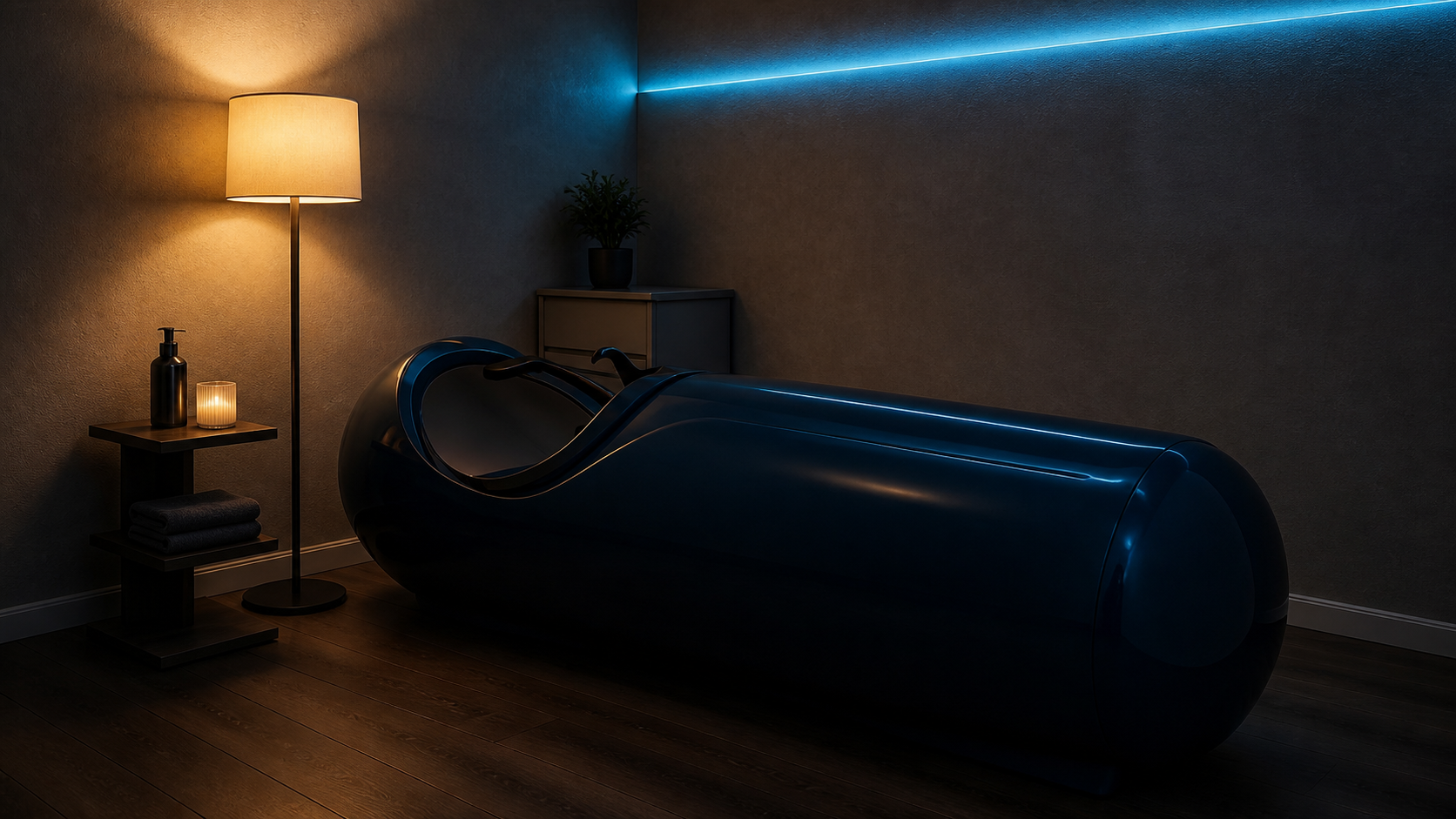
Our earlier post on HBOT for athletes covered faster recovery and lower inflammation. That’s a fraction of what the research shows.
For the past decade, researchers have been publishing on HBOT’s effects on cognitive function, post-concussion recovery, neuroplasticity, and the pace of biological aging. The findings don’t map onto the athletic use case. They’re a different conversation.
What HBOT Does at the Brain Level
At 1.3 to 2.0 atmospheres absolute (ATA), oxygen dissolves into your blood plasma at concentrations 10 to 15 times higher than normal breathing. That oxygen reaches brain tissue with reduced perfusion, damaged neurons, and dormant cellular machinery that your cardiovascular system can’t fully supply under normal conditions.
Three things happen from there.
Neuroplasticity. Neural pathway formation slows with age and with damage. HBOT triggers stem cell mobilization, promotes angiogenesis, and supports new neural connections. The rate doesn’t reverse entirely, but it improves measurably.
Mitochondrial function. Brain cells burn enormous amounts of energy. Mitochondrial dysfunction runs through cognitive decline, post-concussion symptoms, and neurodegenerative disease. Pressurized oxygen restores the fuel supply at the cellular level.
Inflammation. Chronic neuroinflammation predicts cognitive aging about as reliably as any single marker. HBOT reduces inflammatory markers in brain tissue and shifts the immune environment toward repair.
The Research
Post-concussion syndrome. Multiple clinical studies show HBOT improving standardized cognitive test scores in patients with persistent post-concussion symptoms. Brain fog, headaches, and cognitive fatigue that persist months or years after injury respond to protocols that standard care doesn’t reach.
Cognitive aging. A 2020 Tel Aviv University study ran older adults through a HBOT protocol and measured improvements in cognitive function, attention, and processing speed, alongside increased cerebral blood flow. Telomere length, a cellular aging marker, increased in the same population.
Stroke recovery. Clinicians have used HBOT adjunctively in stroke rehabilitation for years. Research suggests it supports neurological recovery beyond what standard therapy produces on its own.
Neurodegeneration. Early research is testing HBOT in early-stage cognitive decline and neurodegenerative conditions. These aren’t curative studies. The cellular mechanisms (oxygen delivery, blood flow, inflammation reduction, mitochondrial support) align with what those conditions need. That’s why the research is happening.
Search “HBOT cognitive function” or “hyperbaric oxygen neuroplasticity” on PubMed to read the studies directly.
Who Books Brain-Health Sessions
Post-concussion patients. Old injuries from sports, accidents, or military service where standard care has plateaued. HBOT typically fits into a longer rehabilitation plan alongside other providers.
Cognitive optimizers. Executives and professionals in their 40s and 50s who notice early-stage cognitive softening and want to push back. They’re usually running the rest of the stack: training, sleep work, bloodwork, dietary protocols.
Family members supporting someone with cognitive decline. Looking for something non-pharmacological with evidence behind it.
Longevity-focused adults. Read Peter Attia, started tracking their numbers, want recovery and resilience tools that match the rest of their approach.
What a Session Looks Like
You enter the chamber. Pressurization takes about ten minutes. You breathe through a mask or chamber-supplied oxygen. You stay at pressure for 60 minutes. Depressurization takes another ten.
You can read, listen to a podcast, sleep. Most members settle into the chamber after a few sessions.
Brain-health protocols run longer and at higher pressure than athletic recovery sessions. A standard cognitive protocol is 40 sessions over 8 weeks, with periodic maintenance after. We’ll build your protocol around your goals and whatever else you’re already doing.
Pairing HBOT with Other Modalities
Red light therapy supports mitochondrial function through a different mechanism. Doing red light directly after HBOT compounds the cellular effect.
PEMF therapy adds cellular charge to oxygen delivery. These two together anchor our Deep Recovery Protocol, and they’re useful for brain-fatigue states.
Float therapy addresses the nervous system while HBOT addresses the tissue. For brain health, both sides matter.
Questions
Is it claustrophobic? Our chambers are clear and spacious. If tight spaces concern you, we’ll do a walkthrough before your first session so you can decide on your own terms.
Side effects? Mild ear pressure during pressurization, similar to a plane descent. We’ll show you how to clear your ears. Some people feel tired after early sessions. Serious side effects are uncommon and we screen for contraindications before you start.
Who shouldn’t do it? People with certain lung conditions, untreated pneumothorax, recent ear surgery, or specific eye conditions should talk to their doctor first. We run a health screening before any first session.
When will I notice cognitive effects? Some people notice sharpness after a single session. The neuroplasticity effects accumulate over 20 to 40 sessions. The shorter protocols don’t produce the same results.
Insurance? For specific FDA-approved indications, sometimes. For wellness and most brain-health applications, no. We’ll tell you the cost before you book anything.
Book a hyperbaric session or come in for a consultation to talk through a longer protocol.
We're a Tampa Bay family passionate about recovery and wellness. We built Rest Recovery to share the modalities that have transformed our own health.
Get More Wellness Tips
Subscribe to get the latest recovery insights delivered to your inbox.
Continue Reading
Cryotherapy vs Cold Plunge for Recovery
Cryotherapy vs cold plunge: which actually helps you recover? Here's how whole-body cryo and cold water immersion differ on cold exposure, cost, and results, and which one is worth your time in Tampa.
What a Recovery Membership Actually Includes
Thinking about a recovery membership in Tampa? Here's exactly what's included, how unlimited access compares to paying per session, and how to tell which plan fits how you actually recover.
What a Float Tank Really Does: A Guide to Sensory Deprivation
Floating isn't a fancy bath. Removing every sensory input puts your brain in a state it almost never reaches-here's what's happening, why it's so hard the first time, and what to expect by session three.