Red Light Therapy: Beyond the Basics
Skin, athletic recovery, joints, sleep, and circadian rhythm-where red light therapy actually moves the needle and how to get the most out of every session.
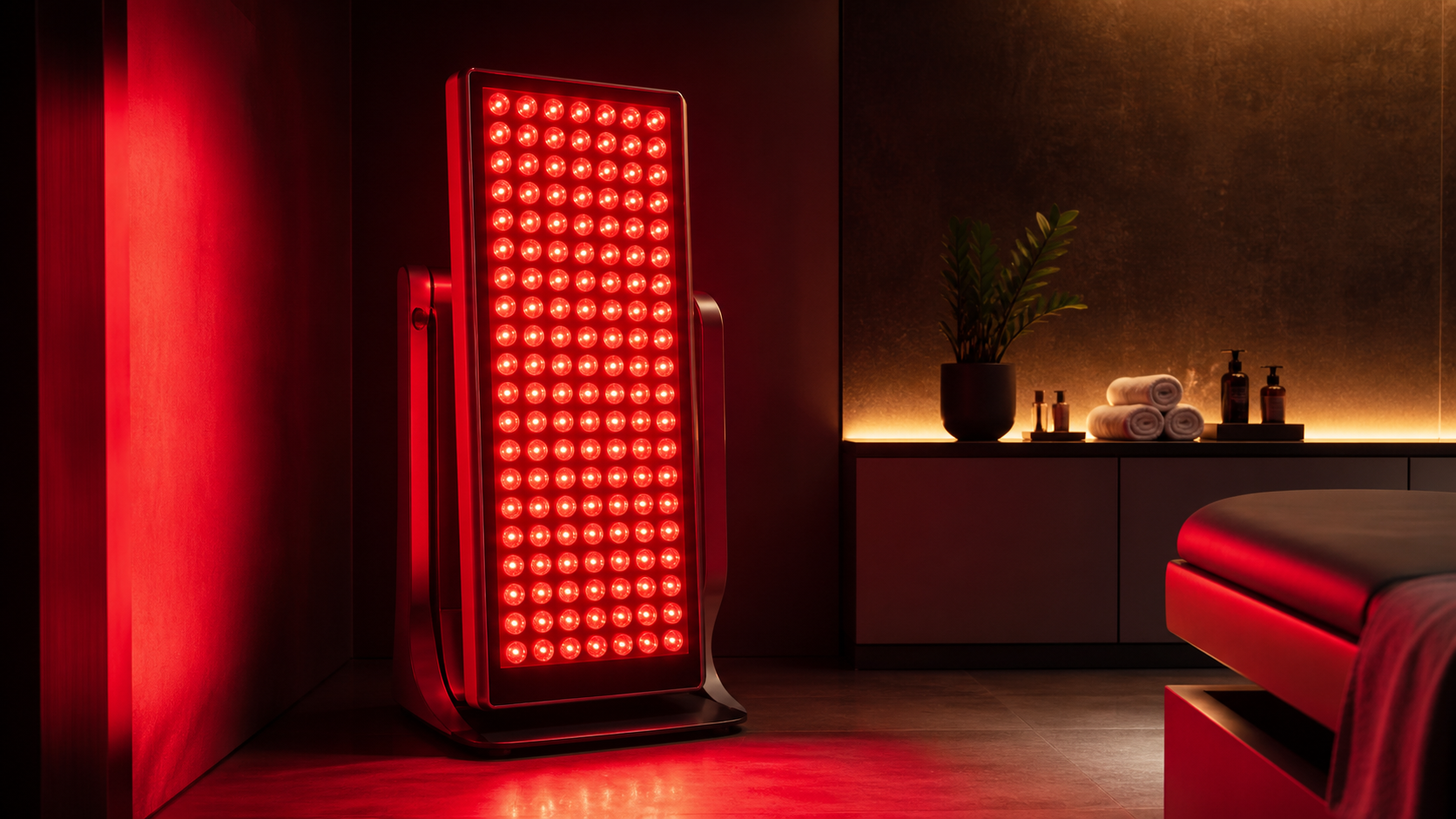
The standard intro to red light therapy covers the mechanism: light penetrates tissue, mitochondria absorb it, cells produce more ATP. If you’ve read the primer, you already have that part. This covers what members actually use it for once they’re past session one.
How It Works
Red and near-infrared light (roughly 630-850nm) penetrate skin and tissue at different depths. Mitochondria absorb specific wavelengths, ATP output rises, and oxidative stress drops. The technical term is photobiomodulation. Your cells end up with more energy to repair and regenerate.
Skin
Red wavelengths around 630-660nm stimulate fibroblasts, the cells that produce collagen and elastin. After several weeks of consistent sessions, you’ll notice firmer skin, fewer fine lines, and faster healing on scars and blemishes.
Acne and inflammation - Red light reduces skin inflammation on its own. Clinical settings often pair it with blue light for acne treatment; members here use red light alone to calm chronic redness and breakouts.
Sun damage - UV exposure accumulates, and red light activates the cellular repair process that addresses it. A few sessions a week make a difference over months.
Post-procedure healing - After cosmetic, surgical, or tattoo work, red light speeds closure and reduces scarring. Clear it with your provider first.
Athletic Recovery
Near-infrared wavelengths (810-850nm) penetrate deeper than red and reach muscle, joint, and bone tissue. Athletes come for two things.
Reduced soreness - Pre- or post-workout red light sessions measurably cut delayed-onset muscle soreness (DOMS). Members who train hard add it after leg days and shoulder sessions.
Faster repair - Mitochondrial support at the cellular level means recovery processes that normally take days move faster. The difference shows up across a second or third hard week in a row.
For joint issues, knee arthritis, tennis elbow, and frozen shoulder, near-infrared reduces local inflammation and supports cartilage health. Members managing these conditions report they can keep training and competing without the usual flare.
Red light produces the best results when it follows cold plunge, compression, or sauna. Circulation is already elevated when the light hits, and tissue is more receptive.
Sleep
Your circadian rhythm uses light as a timing signal. Blue light in the morning advances your clock; red and amber in the evening cue wind-down. A red light session in the late afternoon or early evening prompts melatonin production at the right time and improves sleep depth.
Members who work nights, travel frequently, or have drifted toward late sleep timing use red light to reset. A 15-minute session on the way home from work is one of the more common patterns we see.
Common Questions
How long should a session be? Ten to twenty minutes. Cells absorb what they can; past that, you’re standing in a warm room without additional benefit.
How often? For skin and general wellness, two to three times a week. For recovery or chronic conditions, four to five times a week for the first month, then drop to maintenance frequency.
Is it safe with medications? Some antibiotics, certain skin treatments, and photosensitizing medications interact with light exposure. Check with your doctor and let us know before your session.
When do results show up? Athletic recovery benefits start the same day. Sleep effects can appear the first night. Skin changes take four to six weeks of consistent use.
Eyes open or closed? Closed. We provide goggles. Looking directly at the panels for twenty minutes is uncomfortable and unnecessary.
Stacking It
A few combinations members come back to:
- Sauna → Cold plunge → Red light. Heat raises circulation, cold compresses tissue, red light drives the repair cycle while everything is still primed.
- Compression → Red light. Drain the legs, then add light. Common among members prepping for races or multi-day training blocks.
- PEMF → Red light. Cellular charge followed by mitochondrial support. Worth adding on harder recovery weeks.
- Solo. Twenty minutes after work handles skin, sleep timing, and nervous system wind-down without needing anything else first.
Getting the Most From It
Red light covers several distinct goals: skin, performance recovery, sleep, and joint pain. Which one you’re targeting should drive how often you book, what intensity you use, and what you combine it with.
If you’ve done one session and weren’t sure it did anything, that’s expected. The benefits build over weeks. Add a red light session to your next visit and track what changes across five or six.
We're a Tampa Bay family passionate about recovery and wellness. We built Rest Recovery to share the modalities that have transformed our own health.
Get More Wellness Tips
Subscribe to get the latest recovery insights delivered to your inbox.
Continue Reading
What a Float Tank Really Does: A Guide to Sensory Deprivation
Floating isn't a fancy bath. Removing every sensory input puts your brain in a state it almost never reaches-here's what's happening, why it's so hard the first time, and what to expect by session three.
Hyperbaric Oxygen for Brain Health and Longevity
Beyond the athlete use case-how hyperbaric oxygen therapy supports neuroplasticity, cognitive function, post-concussion recovery, and the long game of aging well.
Managing Chronic Pain Without Pills: Our Approach
A thoughtful look at how recovery modalities can support chronic pain management - not as a cure, but as part of a comprehensive approach.